Featured Movies - Page 285

goodbye cinema
2025
goodbye cinema
2025
In the universe. In the world. In the Philippines. In the north. In the island of Luzon. In the Cordillera region. In the province of Benguet. In the city of Baguio. There were cinemas.Decisiones
2025
Decisiones
2025
Few More Centuries
2025
Few More Centuries
2025
A French short documentary that delves behind the scenes of the restoration of a 1920s film, starting from a 35mm color print. Set against iconic French cinema locations such as the climate-controlled vaults of the CNC and the Cinémathèque Française, the film traces each step of this meticulous process, from preservation to both mechanical and digital restoration at the Joinville-le-Pont laboratory. This technical and human journey highlights the craftsmanship involved and raises questions about the future of works that are not preserved on film.Zamana
2025
Zamana
2025
In the mid-90s, the upbringing of triplets is altered with the arrival of Ana, their younger sister. Through a family trip, the director portrays this bond among sisters.Before i die i choose death
2025
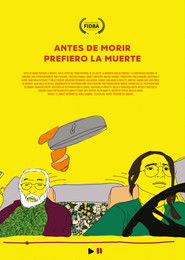
“Before Dying I Prefer Death” is a documentary road movie about the bond between Malena and her father, El Poly (73), a musician exiled under the dictatorship. Marked by the disappearance of his brothers, El Poly carries grief that affects his daughters. Seeking to heal their relationship, they embark on one last trip in a yellow Chevy to fulfill El Poly’s wish: to find a home to live in.First Chart
2025
First Chart
2025
A chart refers to a document that records the visible and invisible characteristics of places and people; cartography or missive. Through the first letter sent by a filmmaker to his beloved, this film embarks on a journey guided by dreams and chance among real, imaginary and extinct charts, exploring their inescapable and elusive relationship with love.In Melquiades Room: Causa-Prima
2025
Dr. Sjarif, a researcher, is reconstructing a lost city, Kejora, using found objects. In the imaging laboratory where he works, two ghosts are watching him, waiting for an opportunity to sneak back into the city he is rebuilding.Pen Sword
2025
Pen Sword
2025
Some people draw fragments of lines on paper as an idea of possible disasters that could happen to them. These lines turn abstract ideas into something that is visually identifiable. The collection of images of objects and lines then becomes a depiction of an event. From this process emerges a collective visual narrative in which personal experiences are represented as part of a shared pattern, emphasizing the connection between individual perceptions and broader visual constructions.NH Dini
2025
NH Dini
2025
NH Dini, a visionary Indonesian writer, left a legacy that goes beyond words. This film tells the story of a woman ahead of her time, from her youth in Semarang to her relentless journey as a writer and activist. Through Pondok Baca Sekayu, Dini planted seeds of change in underprivileged children. This film portrays how her vision of a literate and gender-equal Indonesia slowly became reality, even if she never lived to see it.Statues Rule the Waves
2025
The film brings together two young female symbols of a history of oppression: Anne Frank and Martha Christina Tiahahu. Despite originating from disparate places, they are connected by the same land, history, and one person in particular. Through the personal journey of the filmmaker, who visits both the place where she grew up and the place her grandparents were forced to leave, the film forms a collage of encounters that challenge our contemporary memory culture and how we construct our narratives.Scent of Nocturnal Flowers
2025
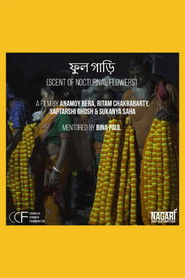
Phool Gari (Scent of Nocturnal Flowers) explores the quiet transformation of a liminal space beside Barasat railway station, shifting from a night flower market to a morning auto stand. As metro construction slowly encroaches, swallowing the space they call their own, the film follows the occupants’ rhythms, their delicate balance between labour and survival, and their struggle for legitimacy within a formal space.Constructed
2025
Constructed
2025
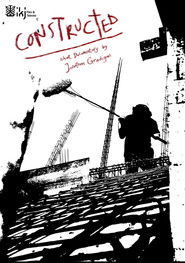
star 10After 12 years of documentary courses being absent as a form of Integrated Practicum in the Film Department at IKJ, Bikeska, Paul, Arrivo, and Raihanul chose to break the tradition. Amidst the dominance of fiction films, which are considered more prestigious, they chose documentaries due to budget constraints and a desire to respond to the world in a more honest and intimate way. Their poetic documentary film captures two layers of reality: a man who draws architectural spaces, and the laborers who build them. However, the process led to a creative crisis and the images were too structured as the treatment felt like fiction filmmaking. The question arose: were they recording reality or constructing it? The camera turned around, highlighting the team’s process and confusion. Ultimately, the film not only captures space and labor, but also reflects that documentaries, like buildings, are the result of construction and choice.The Short Autumn
2025
The Fight
2025
The Fight
2025
To be someone in life
2025
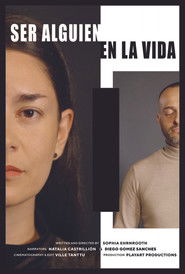
In a world of uncertainty, two narrators lend their voice to the dreams, fears, and hopes of Latin American youth. Who has the right to dream and at what cost do we lose our dreams of the future?Vismay
2025
Frustration
2025
Palhaçassino
2025
Palhaçassino
2025
La carta
2025
La carta
2025
María finds a letter from her recently deceased grandfather in which he recounts that he was imprisoned in a Francoist concentration camp in the province of Córdoba, in his village: Los Blázquez. She was unaware of the existence of the concentration camp and decides to investigate the matter.