Featured Movies - Page 292

Crayons
2025
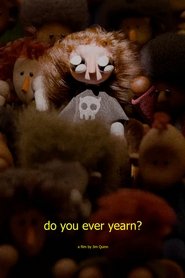
do you ever yearn?
2025
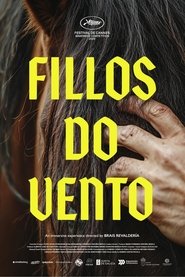
Children of the Wind
2025
Children of the Wind
2025
In the village of Sabucedo, Spain, the Rapa das Bestas unfolds: a raw ritual where villagers and wild horses collide in a test of strength and memory. Seven years in the making, Fillos do Vento: A RAPA places viewers inside the curro, where dust, breath and tension blur the line between tradition and extinction. A modern-day Quixote story, as wind-farms creep over the surrounding hills, the work challenges audiences to feel the fight for cultural survival in an age of rapid change. This documentary is not meant to be watched but inhabited, a sensorial call to witness what is at stake when culture, nature and modernity collide.Cotton Candy Randy (official video)
2025
Official video release for the song Cotton Candy Randy by Red Pawn.La rafle du Truxx - 22 octobre 1977
2025
Interview with Gilbert Higgins, one of the 146 victims of the police raid on the Truxx, a gay bar on Stanley Street in Montreal, on the night of October 22, 1977. The reaction it triggered became one of the precursor events to the creation of what was first called Le Village de l’Est (in contrast to the gay bar sector west of downtown), then Le Village gai, and now simply Le Village.Face au vih, la résilience (1983-1995)
2025
Interview with Gregory Rowe, who came from Western Canada to settle in Montreal in 1983. In addition to his comments on his experience in the English-speaking part of the gay movement, he gives a poignant account of his resilience in the face of the HIV crisis (which he has been carrying for 37 years), and his involvement in organizations that support HIV-positive people.A Slow Dance
2025
A Slow Dance
2025
In a living room, two people slow dancing become a landscape for (re)connection. A Slow Dance attempts to materialize the monolithic gesture that is longing, one that takes its roots in lifelong household transgressions and collective myths.The Day After Halloween
2025
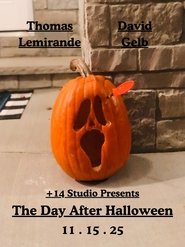
Tom and Dave journey through a local park the day after Halloween to look for leftover candy from the party the night before. They're having a blast, until Dave suddenly disappears. While Tom searches the park for his missing friend, he starts to realize that the stories of a crazed masked man murdering children in the park could be true.The Disappearance of Avonne Colleen
2025
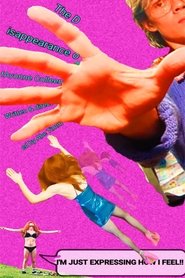
A fading drag queen tries to make a bold artistic statement while her roommate tries to find a job.quicksand
2025
quicksand
2025
Marco, an 18-year-old footballer from the small village of Lindorf, is about to get the chance of a lifetime: a contract with a major club. But while the whole village celebrates his success, Marco’s fear of the unknown grows. Between Schützenfest celebrations and old friendships, he searches for a way out that will allow him to remain in the world he knows.Oumoun
2025
Oumoun
2025
“Dear grandma, you’ll be surprised to hear my voice in your language…” Those are the first words in a recorded, spoken letter that was never sent, but instead played aloud in real time by the Brussels filmmaker to her elderly grandmother in Mahdia, Tunisia. In the presence of the camera, these lines turn into a voice-over which gradually transforms into a dialogue across languages, cultures, and generations.Home from Home
2025
Home from Home
2025
When young adults leave home, daily conversations shift to fleeting phone calls. Amidst the blurring parent-child hierarchies, a new way of connecting with home emerges.The Tomatoes Still Need to Be Planted
2025
We follow Nelle on the day she returns home after a year of solo travel. Excerpts from her travel diary reveal the thoughts of the past year. The joyful reunion with her sister and father is quickly overshadowed by the question: "What now?" How does she want to shape her young adult life? Has she made the right choices recently? At the point where Nelle can no longer avoid these questions, the viewer meets her.Good Morning
2025
Good Morning
2025
Asleep or awake: what do you actually dream about? In the short animation, dreams and reality intertwine.Blood Red
2025
Blood Red
2025
Alix, 24, cannot have biological children. When her roommate and friend Suzie becomes pregnant, Alix begins experiencing hallucinations related to the world of pregnancy.Ctrl + Alt Escape
2025
Ctrl + Alt Escape
2025
When Anton sees his brother Matteo disappearing further and further into a virtual world, he tries to bring him back. But for Matteo, it's precisely that digital reality that proves to be the only place where he can still exist.