Featured Movies - Page 295

Aether
2025
Aether
2025
Kawaguchi's Aether follows on from his earlier film Air (1992), in which he enlarged 8 mm film material, breaking down the image to the level of individual grains and transforming it into a painting. Now he replicates the experiment through a different medium: a digital camera captures a girl walking away in slow motion, and artificial intelligence transforms the enlarged image, finding patterns in the visual noise and thousands of faces in the blurred image. The immortalization of a single happy moment is transformed into a meditation on digital visuality.SPIKA: Sowing Teeth
2025
SPIKA: Sowing Teeth
2025
Beneath the polished floors of a contemporary art gallery, a new form of life is awakening, gradually transforming the urban space into a living, symbiotic system connecting humans with the realm of plants and bacteria. This speculative docufiction, shot on 16 mm film in response to the We the Bacteria exhibition at the Milan Triennale, imagines an alternative future for architecture told from the perspective of non-human actors. It explores the thorny structure of experimental architect Rachel Armstrong's SPIKA installation, which functions both as a fortress and an ecosystem, and outlines the possibility of urban buildings transformed into metabolic nodes of a new community.Nora, an Unexpected Guest Is Coming to See You
2025
Two narrative and aesthetic levels—a stylized studio room with a horror vibe that the fictional Nora can't leave, and a voyeuristic handheld camera recording a nervous girl in a real setting—connect the main character's body and experience with sexualized violence. A variation on Ibsen's woman, whose story is taken over and rewritten by a man, creates a counterpoint to the image of the contemporary heroine, who speaks for herself falteringly and painfully and refuses to be silenced.Maya
2025
Maya
2025
Mājā – a Sanskrit term denoting a veil, illusion, or deceptive reflection that conceals the true nature of reality while simultaneously creating it. The film translates this ancient metaphor into slowly flowing black-and-white images: mesmerizing details, alternating light and shadow, flowing water that melts on the girl's face like a translucent veil. The central symbol of the film is a mirror cube – both a deception and a gateway, in which reality shatters into a dimension of reflections and opens up a space for quiet contemplation.How Not to Remember Our Bodies
2025
A collage of excerpts from Czechoslovak television educational programmes from the 1970s and 1980s devoted to the artificial termination of pregnancy is accompanied by an urgent voice-over reflecting on what really shapes the history of abortion: is it the idea of self- ownership and freedom, the development of medical technologies, state reproductive policy, or market logic? The film paints a complex picture of the reproductive history of socialist Czechoslovakia, in which media representations of abortion—so different from the rhetoric surrounding the feminist pro-choice movement in the US—are transcribed into intimate bodily experience.The Forest
2025
The Forest
2025
Several true stories from the 1930s about Stalin’s repressions. One of them tells about a Gomel official who survived an execution in the infamous Novobelitsky (Chonkovsky) forest near Gomel.Soft Floating in the Fields of Spheres
2025
Rebecca, the young crafter artist, from Vienna, has only one confidant, the Witch of East Wind, with whom she shares her secret about her unborn child. Meanwhile, the circumstances of a tragic accident, long buried in silence, begin to surface. From the pain of the past Rebecca escapes into the fragile world of imagination. The film follows her mental journey, mirroring the wandering flow of human consciousness. Told through four temporal layers, the narrative gradually reveals the hidden connections between reality, memory, fantasy, and fear.Niezabudka
2025
Niezabudka
2025
Eliza, an elderly woman with Alzheimer's, lives in a house filled with reminder notes and family photos. She records daily videos and revisits old diaries and tapes to preserve her sense of self. As her memories slowly return in fragments, she discovers her own forgotten diary and realizes she may have lost more than just her memories.It Lives Under the Snow
2025
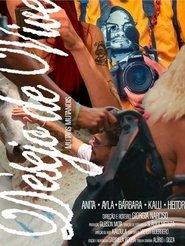
In a village where people have been disappearing for years, a group of locals join two men to search for Murad, who recently vanished. They explore a local myth about a mysterious creature living under the snow. Their journey will uncover a secret deeper than they could have imagined.Desejo de Viver (Mutatis Mutandis)
2025
A documentary film that follows five trans people with disabilities living in the State of São Paulo, who share their life experiences — stories of resistance, affection and reinvention. Through their voices and day-to-day realities, the film explores how gender identity, disability, social marginalization and personal resilience intersect. It invites reflection on belonging and transformation, revealing how these five individuals redefine limits, build support networks and reclaim their right to live fully.Cool by Friday
2025
Cool by Friday
2025
Jake, a nervous high school nobody, just wants to survive senior year unnoticed. But when his best friend Bobby comes up with a plan to throw the biggest party Sunnyview High has ever seen, Jake sees a chance to impress his crush, Jessica.a fechadura
2025
a fechadura
2025
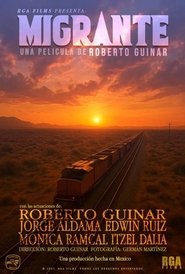
Migrante
2025
Migrante
2025
Xtimacy: a BDSM Exercise Between Mothers
2025
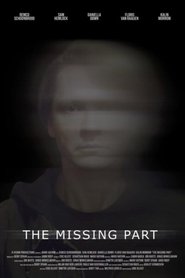
This short film documents two single mothers and professional sex workers reclaiming female archetypes: the mother and the whore, beyond patriarchal constraints. They invite the viewer into a bondage session to redefine their intimacy and motherhood. It serves as an artistic and political endeavor to break down the boundaries of traditional motherhood and celebrate their radical friendship.The Missing Part
2025
The Missing Part
2025
When a friend goes missing during a weekend getaway, Frank sets out to find the truth behind the disappearance, only to learn that the truth runs deeper than he could’ve imagined.07004
2025
The man who really enjoys snacks
0000
After a rude day, a man who kept thinking about it all day, accords himself a pure shot of pleasure and apparently he really enjoyed the moment.The Architect
2025
The Architect
2025
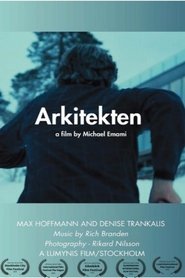
Fredrik, a famous Swedish architect, contemplates his life in the company of a new friend as he awaits a possible cancer diagnosis.Domestic Animals
2025
Domestic Animals
2025
A haunting drama that peels back the silence surrounding domestic violence. Through the intimate story of a couple trapped in a cycle of pain, the film explores the emotional complexity and nuances of domestic partner abuse. A silent cat watches from the sidelines—an unsettling metaphor for our collective inaction. Inspired by real survivor testimonies, Domestic Animals is a bold, unflinching call to awareness and empathy.