Popular History Movies - Page 112

Kabloonak
1994
Kabloonak
1994
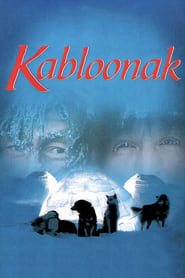
star 6.7In 1922 the first documentary in the genre sense came on the big screen, "Nanook of the North" (1922). Kabloonak is the story of the making of this movie for which the story was partially staged by his director 'Robert Flaherty'.The Magnificent Adventurer
1963
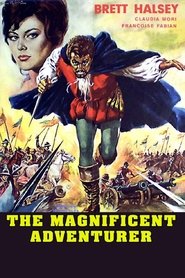
star 6Benvenuto Cellini knows no obstacles when it comes to creating a work of art or conquering the heart of a woman.I 7 Re di Roma
1989
Age of Consent
2014
Age of Consent
2014
star 2.8The story of the HOIST, London's first and only Gay Fetish Bar, coincides with the political struggle to decriminalize homosexual activity within the United Kingdom.1971
2014
1971
2014
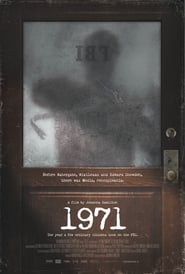
star 6.7Forty years before WikiLeaks and the NSA scandal, there was Media, Pennsylvania. In 1971, eight activists plotted an intricate break-in to the local FBI offices to leak stolen documents and expose the illegal surveillance of ordinary Americans in an era of anti-war activism. In this riveting heist story, the perpetrators reveal themselves for the first time, reflecting on their actions and raising broader questions surrounding security leaks in activism today.Pompeii: The Last Day
2003
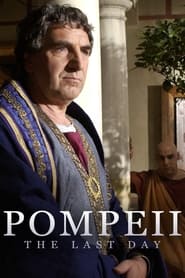
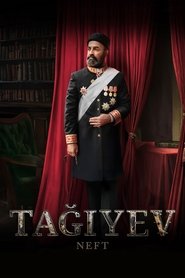
star 6.7In 79 AD, one of the infamous natural disasters in human history occurred when Mount Vesuvius erupted. With speculative dramatizations of various inhabitants' final hours along with detailed documentation of the known facts concerning the eruption, the horrific day is vividly brought to life.Taghiyev: Oil
2024
Taghiyev: Oil
2024
star 7August 1922. An American journalist, Jerry Thompson, travels to the Soviet Union and arrives in Azerbaijan. He visits the settlement of Mardakan in Baku. There, he meets an elderly man at a villa. Thompson can hardly believe what he hears. Standing before him is Haji Zeynalabdin Taghiyev, a once-great oil producer, millionaire, and philanthropist who lost all his wealth after the establishment of Soviet rule. Haji recounts his life story to the guest, a journey that saw him rise from a humble mason to an influential oil industrialist.Prince of Foxes
1949
Prince of Foxes
1949
star 6.2In 1500, Duke Cesare Borgia hopes to marry his sister to the heir apparent of Ferrara, which impedes his conquest of central Italy. On this delicate mission he sends Andrea Orsini, his sister's lover and nearly as unscrupulous as himself. En route, Orsini meets Camilla Verano, wife of the count of Citta' del Monte, and sentiment threatens to turn him against his deadly master, whom no one betrays twice...As White as in Snow
2001
As White as in Snow
2001
star 5.3Inspired by real-life Elsa Andersson, this mostly fictional movie tells the story of her upbringing as a farmer's daughter, in the early 1900s, who dreams of getting away from the farm and becoming an aviatrix.Sigurdr
2013
Sigurdr
2013
This short tells the story of a mythical Norse warrior hero who in myth, gains an accursed hoard of gold.The Tiger
2015
The Tiger
2015
star 7.7In 1925 Korea, Japanese rulers demand the last remaining tiger be killed. The tiger easily defeats his pursuers until a legendary hunter takes him on.Les Damnés de la Commune
2021
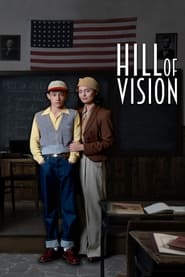
star 7.1Exclusively created with period engravings, this animated feature explores the Franco-Prussian War of 1870 and the ensuing Paris Commune revolution in 1871.Hill of Vision
2022
Hill of Vision
2022
star 6.6Italy, WWII. After his anti-fascist mother is arrested, Mario spends his childhood on the streets. In 1947 they are miraculously reunited and start a new life in America. Based on the life of Mario Capecchi, 2007 Nobel Prize in Medicine.Ola Bola
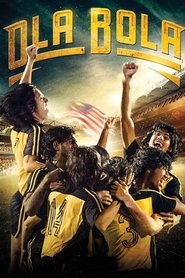
2016
Ola Bola
2016
star 7.7Set in the 1970s, a multicultural team of Malaysian football players struggle to overcome personal and collective hardships as a team. Together they create the most triumphant zero to hero story and gain a place at the Asian Games.United
2011
United
2011
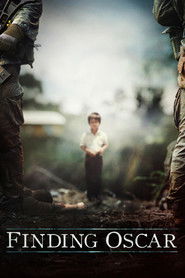
star 6.9United is based on the true story of Manchester United's legendary "Busby Babes", the youngest side ever to win the Football League and the 1958 Munich Air Crash that claimed eight of the their number. The film draws on first-hand interviews with the survivors and their families to tell the inspirational story of a team and community overcoming terrible tragedy.Finding Oscar
2016
Finding Oscar
2016
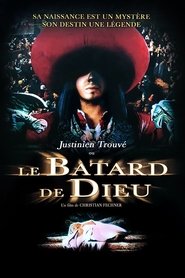
star 7.7Thirty years after a forgotten massacre that occurred during the Guatemalan civil war, a forensic scientist and prosecutor search for Oscar, a young boy who survived the horror.Justinien Trouve, or God's Bastard
1993
star 6.4Set in the French countryside in the 1600s, a lone rider deposits a newborn baby boy on the steps of a monastery, having bitten his nose off. The child is bought up by an ex-pirate and his wife and is taught to read, write, count, joust and fence, and is also given a wooden nose. However, he is ordered by a local baron to attend a tough seminary, but he soon rebels and makes an action-packed escape...All Power to the People!
1996
star 5.8Using government documents, archive footage and direct interviews with activists and former FBI/CIA officers, All Power to the People documents the history of race relations and the Civil Rights Movement in the United States during the 1960s and 70s. Covering the history of slavery, civil-rights activists, political assassinations and exploring the methods used to divide and destroy key figures of movements by government forces, the film then contrasts into Reagan-Era events, privacy threats from new technologies and the failure of the “War on Drugs”, forming a comprehensive view of the goals, aspirations and ultimate demise of the Civil Rights Movement…Un samouraï au Vatican
2018
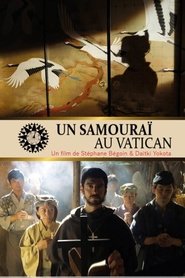
star 8Why do 600 inhabitants of the small southern Spanish town of Coria del Río bear the surname "Japón"? It is the legacy of an unusual expedition that took place 400 years ago: In October 1613, the samurai Hasekura Tsunenaga boarded the galleon "San Juan Bautista" on behalf of the ruler Date Masamune in Sendai, Japan. In addition to merchants, warriors and Spanish sailors, the Spanish Franciscan monk Luis Sotelo, who spoke fluent Japanese, also embarked. The legation wanted to obtain permission from the Spanish King Philip III and Pope Paul V to open a new sea route to India alongside the spice route; in return, Christian missionaries were to be sent to Japan. When he set off, Hasekura Tsunenaga had no idea that the journey would take seven years. Who was this Japanese samurai? What is known about his motives and what is known about the actual background to the expedition?13 Days of October
2015