Popular History Movies - Page 308

Gulapa
1977
Gulapa
1977
star 10True to life story of Mayor Patrocinio Gulapa of Maragondon, Cavite who possesses an amulet which deters him from harm. The source of his "anting-anting" is the water in the fish tank, the life of the Mayor is linked to the fish. So, when the fish is seing kissing it is also the same for the Mayor, as well as if the fish is seen dying, there is an imminent danger on the life of the Mayor.Burkinabè Bounty
2018
Burkinabè Bounty
2018
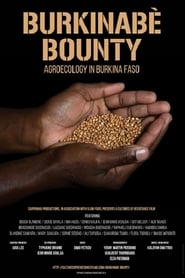
This documentary chronicles agricultural resistance and the fight for food sovereignty in Burkina Faso – a small, landlocked country in West Africa. Showcasing activist farmers, students, artists and leaders in the local Slow Food movement, the film looks at how the Burkinabé people are reclaiming their land and defending their traditions against the encroachment of corporate agribusiness. From women gaining economic independence by selling artisanal “dolo” beer, to youth marching in the streets against companies like Monsanto, to hip-hop musicians setting up their own farms and reviving the revolutionary spirit of Thomas Sankara through their music, Burkinabè Bounty shows the creative tactics people are using to take back control of their food, seeds, and future.Floating Weeds Diary
1955
Floating Weeds Diary
1955
star 4.3A travelling theater troupe, led by Umagoro Ichikawa, comes to play in a mining town, and manages to sell every seat. Before the play begins, however, a miners' strike is announced, creating an uproar. In addition, the players find they have been cheated out of their profits by a crooked impresario.Let's Go Crazy: The Grammy Salute to Prince
2020
star 7.9A lineup of artists -- including Beck, Common, Gary Clark Jr., Foo Fighters, H.E.R., Juanes, Alicia Keys, John Legend, Chris Martin, Mavis Staples, St. Vincent, Usher and more -- pay tribute to Prince's unprecedented influence on music.Straw Dolls
2015
Straw Dolls
2015
Straw Dolls tells the story of a how a father and daughter sacrifice their own wellbeing for a mother and her young daughter. Based on a series of true events, the film takes place during the start of the Armenian Genocide.Barnaby Lee
1917
Aristophanes: The Gods Are Laughing
1995
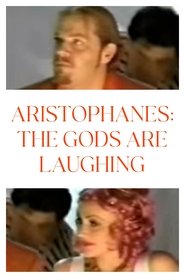
star 7Specially commissioned by the British Film Institute and Channel 4, this pseudo-biography shows how Aristophanes became the father of political satire and why his theatrical innovations are still staples of the contemporary theatre.The Column
1968
The Column
1968
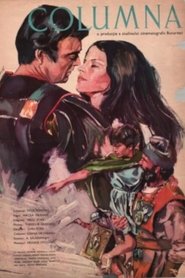
star 7.5The end of Trajan's Dacian Wars (106 AD), when south western Dacia was transformed into a Roman province: Roman Dacia.La valle del diavolo
1943
La valle del diavolo
1943
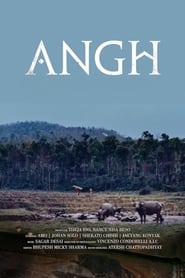
Angh
2021
Angh
2021
In 1960s rural India, a village chief and his son resist the pressure of conforming to the new world of Christianity.A Name Among People
1983
I’m Still Here: Real Diaries of Young People Who Lived During the Holocaust
2005
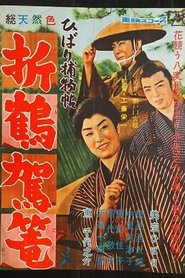
star 4Brings to life the diaries of young people who witnessed first-hand the horrors of the Holocaust. Through an emotional montage of archival footage, personal photos, and text from the diaries themselves, the film celebrates a group of brave, young writers who refused to quietly disappear.Paper Crane Palanquin
1960
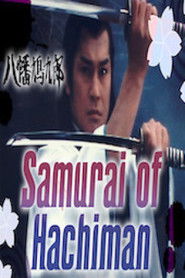
star 10The death of a samurai in a palanquin leads girl detective Oshichi to take action to crush a plot to overthrow the Shogunate.Samurai of Hachiman
1981
Samurai of Hachiman
1981
A mysterious swordsman called Hatokuro Yawata (Ken Matsudaira) who appeared from somewhere with white pigeons is actually Naotada Ii, the lord of Hikone Han. He was told that he had an older brother of twin by his mother on her deathbed. Hatokuro pretended to be a citizen in Edo and searched for his brother. However, in Edo, Murasaki Gumi, led by the mysterious Murasaki had power and used it as they like. One day, Hatokuro saved Okyu whose office-worker father was killed from Sanjuro Akaseki of Murasakigumi. It brought about a fierce fight between Murasaki and Hatokuro. What is the identity of Murasaki!?The Native Americans: The Tribal People of the Northwest
1994
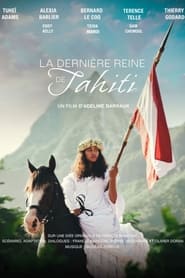
A meeting of the Far West Council elders inspires a discussion of Northwest Native American history and traditions, and the struggle to remember and honor their ancestryLa Dernière Reine de Tahiti
2022
star 5.5In the kingdom of the lagoons where the custom wants that only the men can become kings. The young Aïmata Pomaré will break this law. Faced with the hostility of her fellow men, threatened by the covetousness of England and France, Aïmata, a young Tahitian princess, will try to save her traditions and her people in order to offer them a destiny. This is how she will become the last queen of Tahiti and make peace with France.Hazreti Ömer'in Adaleti
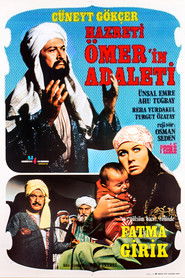
1973
star 4The film tells the story of Hz. Ömer, who strove to establish justice throughout his caliphate. During the years when Islam was spreading in Mecca, the pagan Quraish tribe still worshipped idols. The leader of the tribe, Abu Jahl, saw Islam as a threat to his own beliefs. Abu Jahl decides to have Muhammad killed in order to prevent the spread of Islam. He assigns Umar, the son of Hattab, to carry out this task. However, while Umar is preparing to kill Muhammad, he learns that his brother and brother-in-law have become Muslims. Upon reading the Quran, Umar also converts to Islam shortly thereafter. He begins to fight against Abu Jahl and the Quraysh tribe. After the death of the Prophet Muhammad, Umar, who became the caliph, will strive to establish justice in the country's administration.Our Latin Thing (Nuestra Cosa)
1972
star 8Leon Gast's musical documentary reveals New York City's Latin culture and features live performances of salsa greats The Fania All Stars and The Spanish Speaking People of New York. A document of urban American Hispanic culture, Gast's film captures the rhythms of New York's Spanish Harlem, from illegal cockfights and Santeria rituals to the rooftops and backstreets of El Barrio and the legendary musicians performing at the Cheetah club.Paper Butterfly
2024
Paper Butterfly
2024
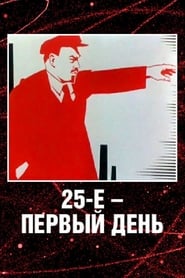
star 6Set in 1965, a young couple fights to stay together as escalating violence and their opposing political backgrounds threaten to tear them apart.25 October, the First Day
1968
star 5.7A short film made by Yuri Norstein for the 60th anniversary of the October Revolution, The 25th - the First Day recounts that day using art from the revolutionary period.