Popular History Movies - Page 347

Nero a Seneca
2019
Nero a Seneca
2019
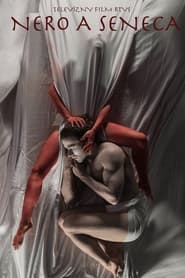
The meeting of the most bloodthirsty emperor Nero and the Stoic philosopher Seneca during one hot night in the Roman arena. The long conversation, which is really just a deliberate delay of Seneca's execution, results in a tense polemic about man's relationship to God, to power, and to the other man.The Memory of Fish
2016
The Memory of Fish
2016
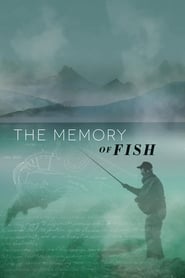
Dick Goin and his family have been fed by the Elwha River's salmon since migrating to Washington's Olympic Peninsula during the Dust Bowl. Dick has never forgotten his debt to the fish — who have been steadily disappearing. A pulp mill worker and master fisherman turned salmon advocate, Dick uses his memories and persistence to battle for the biggest dam removal project in U.S. history. His goal: bring the salmon home.Decisive Battle at Kuroda Castle
1960
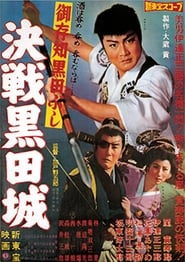
star 6After the massacre of Christians at Shimabara, followers of Amakusa Shiro band together in a plot to overthrow the shogunate in order to exact revenge on the Tokugawa. At the same time there is a succession dispute in the Kuroda clan, as one faction tried to usurp the rightful heir and take over the honored clan. Before his untimely death, the lord of the Kuroda bestowed “Nihongo”, a magnificent spear, on his finest warrior, which ultimately brings him into contact with two of Japan’s most famous historical figures, Yagyu Jubei and Miyamoto Musashi. Can the three masters of martial art join forces to defeat their enemies and save the nation?La Güera Rodríguez
1978
La Güera Rodríguez
1978
star 3.5In 1809, a woman participates in the conspiracy for the independence of Mexico and her husband blames her for infidelity.Revenge of the Black Knight
1963
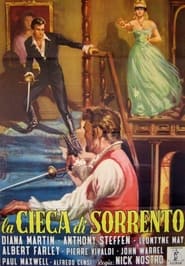
star 4La Cieca Di Sorrento (also known as Revenge of the Black Knight is a 1963 cloak and dagger film directed by Nick Nostro and based on the novel of the same name by Francesco Mastriani. Masked knights fight the cruel Tyrant Amedeo, tutor of the beautiful, rich and blind orphan Isabella. The knights are led by a young doctor who in the end will defeat Isabella's evil oppressor, give her her sight and marry her.Thank You, Mr. President: The Press Conferences of JFK
1983
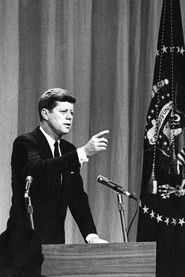
star 6JFK documentary directed by Arthur J. Bressan Jr.Tales of Canterbury
1973
Tales of Canterbury
1973
star 1Father of English literature, the poet Geoffrey Chaucer, involved in storytelling a rainy night at an inn.Barabbas
2019
Barabbas
2019
star 5.6The unique view on the well-known story of Christ's death and resurrection, which we see with the eyes of brigand Barabbas who got away from death on the cross.Facundo, la sombra del tigre
1995
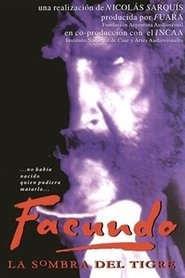
star 5.2The film focuses on the journey of General Juan Facundo Quiroga, with a very compromised health, to the north in order to resolve the conflict between the provinces of Salta and Tucuman.Chushingura
1938
Chushingura
1938
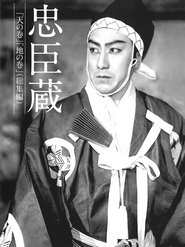
star 6The vassals of the Asano clan, who surrendered the castle & became wanderers, deceive the enemy and the public, wait for an opportunity to avenge their master and his family.La monja alférez
1944
La monja alférez
1944
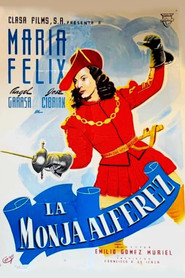
star 5.7A 17th century woman, imprisoned for fighting in a bar, recounts her past to a priest. She tells of her father teaching her how to fence, of being sent to a convent by her aunt when her father died, of escaping by dressing as a man, and of her life as a man following the escape.Signal Fires of Shanghai
1944
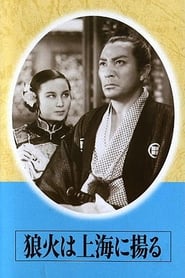
star 8.8During the Taiping Rebellion of the mid-19th century, anti-Qing (Manchu) Chinese forces led by Taiping commander Li Xiucheng march on Shanghai. Although the Western powers are officially neutral, the British consul in Shanghai sides with the Qing imperial government, and counter to his own government's policy he retains American adventurer Frederick Townsend Ward to raise a mercenary force of foreigners in Shanghai and oppose the Taipings. Ward's force is routed, with heavy casualties, but since many of the casualties are British, the British army soon is drawn in on the side of the Qings. The only support for the Chinese comes from Japanese in Shanghai and anti-imperialist demonstrations in Japan. A family drama plays out against this historical background. After a Chinese home is destroyed by careless British shelling, killing the father and crippling a daughter, the surviving son vows revenge but begins to see that his true friends may be the Japanese.Il Tiranno di Padova
1946
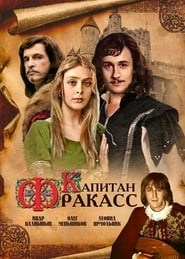
Капитан Фракасс
1984
Tange Sazen
1952
Tange Sazen
1952
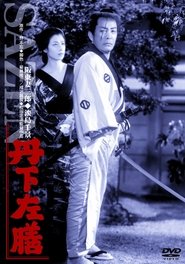
Drama about a famous one-eyed, one-armed samurai swordsman of the middle of the Tokugawa period by the name of Tange Sazen. By chance, Tange gets an old pot in which the secret of the treasure of 1000000 ryos of gold is hidden. However, a bunch of different people hunt for the pot and Tange will have to apply his phenomenal fencing skills with the sword.The Hidden Master
1940
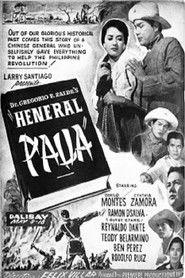
Heneral Paua
1956
Heneral Paua
1956
Out of our glorious historical past comes this story of a Chinese General who unselfishly gave everything to help the Philippine Revolution.The Tramp's New World
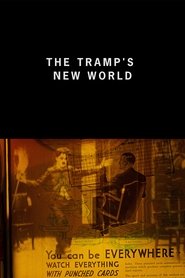
2021
In 1948 the James Agee wrote a scenario for his lifelong hero, Charlie Chaplin. Deeply disturbed by the bombing of Hiroshima and Nagasaki, Agee imagined New York destroyed. In the ruins, Chaplin's Little Tramp builds a shack in Central Park. Gradually a small community of the dispossessed grows up around him. For Agee, his story was a thought experiment about how one might start again in the aftermath of disaster, to go beyond capitalism and just how hard that is in the face of our modern technological world. The film focuses on his imaginative journey and what it might mean for us today.