Popular Documentary Movies - Page 280

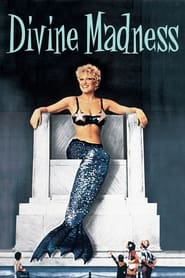
Divine Madness
1980
Divine Madness
1980
star 6.2Divine Madness is a 1980 concert film directed by Michael Ritchie, and featuring Bette Midler during her 1979 concert at Pasadena's Civic Auditorium. The 94-minute film features Midler's stand-up comedy routines as well as 16 songs, including "Big Noise From Winnetka," "Paradise," "Shiver Me Timbers," "Fire Down Below," "Stay With Me," "My Mother’s Eyes," "Chapel of Love/Boogie Woogie Bugle Boy," "Do You Want to Dance," "You Can’t Always Get What You Want/I Shall Be Released", "The E-Street Shuffle/Summer (The First Time)/"Leader of the Pack" and "The Rose".UFE (Unfilmévénement)
2016
star 5Progressing from movement workshops led by dancer Dimitri Chamblas, choreographer Mathilde Monnier and performer Yves-Noel Genod into a multi-layered story, the film follows a group of young artist-performers as they attempt to stage a revolutionary action.Who Is Henry Jaglom?
1997
Who Is Henry Jaglom?
1997
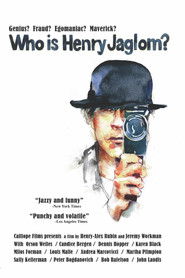
star 6.6Hailed by some as a cinematic genius, a feminist voice and a true maverick of American cinema, dismissed by others as a voyeuristic fraud and the "world's worst director," Henry Jaglom obsessively confuses and abuses the line between life and art. Featuring scores of interviews (including Orson Welles, Dennis Hopper, Milos Forman and Peter Bogdanovich) and rare behind-the-scenes footage, this hilarious documentary explores the fascinating question of Who Is Henry Jaglom?Synth & Beyond
2018
Synth & Beyond
2018
New Order's Stephen Morris and Gillian Gilbert unpack a playlist of electro, pop and new wave classics spanning four decades. Stephen and Gillian have been married for 24 years and have been in New Order together for even longer, but they still manage to surprise one another with their musical tastes. While Stephen declares Captain Beefheart an early influence, Gillian confesses her teenage love for a disco classic. During an hour of top tunes, Stephen also reveals the moment he was mistaken for Stevie Wonder, and Gillian recalls how her Dad was a fan of punk. From Kraftwerk to Can, David Bowie to Kate Bush, Magazine to Grace Jones and many more, this stellar playlist by Stephen and Gillian is brimming with iconic performances.Barbara Rubin and the Exploding NY Underground
2018
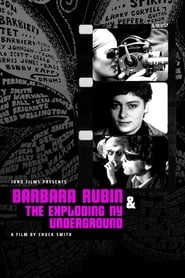
The 29-minute experimental film Christmas on Earth caused a sensation when it first screened in New York City in 1964. Its orgy scenes, double projections and overlapping images shattered artistic conventions and announced a powerful new voice in the city's underground film scene. All the more remarkable, that vision belonged to a teenager, 18-year-old Barbara Rubin. A Zelig of the '60s, she introduced Andy Warhol to the Velvet Underground, Bob Dylan to Kabbalah and bewitched Allen Ginsberg. The same unbridled creativity that inspired her to make films when women simply didn't, saw her breach yet another male domain, Orthodox Judaism, before her mysterious death at 35. Lifelong friend Jonas Mekas saved all her letters, creating a rich archive that filmmaker Chuck Smith carefully sculpts into this fascinating portrait of a nearly forgotten artist. An avante-garde maverick, a rebel in a man's world, Barbara Rubin regains her rightful place in film history.Inventorium of Traces
2009
star 5In the Renaissance castle of the Polish count - Jan Potocki - in Lancut, the modern traces of a past glory persevere and become visible again at the tones of Krzysztof Penderecki's music and Brothers Quay's imaginary animation.Puccini
1984
Puccini
1984
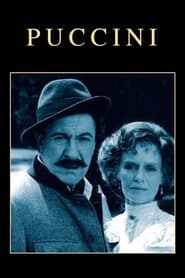
star 1In Torre del Lago, by Lake Massaciuccoli, Puccini is writing "The Girl of the Golden West" when his wife Elvira accuses him of a dalliance with their maid, Doria Manfredi, a young women from town. Although the maestro is frequently unfaithful, he denies the affair; Elvira insists she's right and publicly hounds Doria. Between scenes in this domestic drama that turns tragic, we watch a Scottish company rehearse and stage "Turandot," Puccini's last opera. The film finds parallels between the two stories and suggests that in the opera, Puccini expresses love for his wife and guilt in Doria's fate. Three local gentlemen provide a spoken chorus as Puccini's score plays throughout.Canto a La Memoria
2020
Heart Above the Castle
2008
A neon heart installed above Prague Castle illuminated the city for the last three months of Václav Havel’s presidency in an artist’s tribute to his extraordinary service. His last major undertaking was hosting the NATO summit in 2002 and Němec was granted extraordinary access to film it. Set to make a “special poetic film”, it took Němec years to process what he had witnessed – George W. Bush creating an alliance to invade Iraq. It may then be the director’s revenge to point his camera lens democratically at everyone involved with the summit, giving the same screen time to kitchen and waiting staff, musicians, security detail and NATO protesters, as to the heads of states and attending dignitaries. Havel however, became as much of a subject as the president on screen, and the film’s narrator, providing commentary in his own voice from the distance of a few years after he left the office.All Boys
2009
Monteiro Lobato
1971
Monteiro Lobato
1971
Bronzové halušky
2011
Acera, or the Witches' Dance
1972
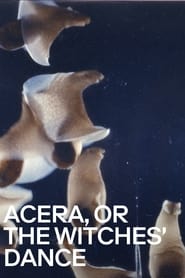
star 6.1In mud flats along the coast of Brittany we watch acera, small ball-shaped mollusks that are about two inches in diameter. They rest in mud; then, in water, they dance, their skirt-like hood spreading like a dervish's cassock. They spin and spin. The film adds musical accompaniment. We watch them mate and secrete eggs: acera are both male and female, and can form chains with other acera in which they simultaneously mate as a male and as a female. The eggs hatch, and the cycle begins again.Missing People
2019
Missing People
2019
Presents moving images of society’s outsiders, the impoverished and oppressed, whose lives are contrasted with the opulent surroundings of contemporary Vienna.Trouble the Water
2008
Trouble the Water
2008
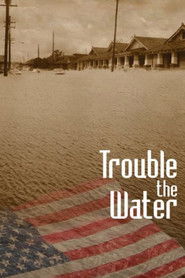
star 6.9"Trouble the Water" takes you inside Hurricane Katrina in a way never before seen on screen. The film opens the day before the storm makes landfall--just blocks away from the French Quarter but far from the New Orleans that most tourists knew. Kimberly Rivers Roberts, an aspiring rap artist, is turning her new video camera on herself and her Ninth Ward neighbors trapped in the city. Weaving an insider's view of Katrina with a mix of verité and in-your-face filmmaking, it is a redemptive tale of self-described street hustlers who become heroes--two unforgettable people who survive the storm and then seize a chance for a new beginning.Gaucho Americano
2021
Gaucho Americano
2021
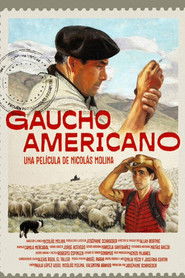
Known for their ranching abilities and their endurance under extreme weather conditions, both Joaquín and Victor leave their families behind to pursue their dreams of earning enough money to buy land of their own back in Chile.They Call Him Mister Babadook: The Making of The Babadook
2015
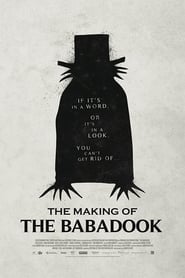
star 5.2A short documentary about the making of Jennifer Kent's 'The Babadook'.Russian Gas and the Nenets
2023
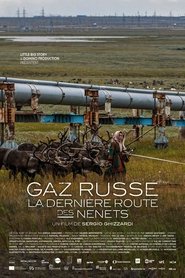
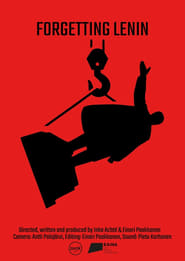
star 9In the heart of the Arctic, the Yamal peninsula is the world’s largest gas exploitation zone, a symbol of Russia’s energy hyperpower, which caused the appetite of oil corporations. But the Yamal peninsula is also the ancestral home of the Nenets, who have been pasturing here with their droves for over 200 generations. Every year the nomads undertake a journey of 1500 km. But for how much longer can they survive? Today in Yamal, pastures have given way to gas fields. Growing towns, a railway, an airport, the deep scars on the landscape caused by extraction of gas and oil, and the new nuclear-powered icebreakers, which will create busy shipping lanes in the Arctic, are all changing the local ecosystem. With the industry dramatically modifying the landscape, accelerating the effects of global warming, the Nenets way of life is under threat. The documentary gives a unique insight into a vanishing way of life, enhanced by stunning aerial footage, and rare access to an extraordinary people.Forgetting Lenin
2024
Forgetting Lenin
2024
For many Finns, Lenin is to thank for Finland’s independence from Russia in 1917. But with Putin’s aggression in Ukraine, citizens of the town of Kotka have to re-evaluate their views about Finland’s last remaining Lenin statue.Ed Sullivan Presents: Rock 'N' Roll Revolution: The British Invade America, America Fights Back
2003
Ed Sullivan Presents: Rock 'N' Roll Revolution: The British Invade America, America Fights Back
2003
In the 60's, the British Invasion sparked a cultural change in rock 'n' roll and America fights back. Hosts Michelle Phillips and Graham Nash chronicle cutting edge performances on The Ed Sullivan Show and interviews from the musicians themselves.