Popular Documentary Movies - Page 69

Abicinema
1975
Nick Cave & The Bad Seeds: One More Time with Feeling
2016
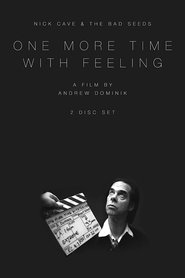
star 7.9Andrew Dominik's One More Time With Feeling is a remarkable black and white documentary which chronicles the creation of Nick Cave & The Bad Seeds' album Skeleton Tree. Originally a performance based concept, the film evolved into something much more significant as Dominik delved into the tragic backdrop of the writing and recording of the album. The result is stark, fragile and raw, and a true testament to an artist trying to find his way through the darkness. It documents the writing, recording and performing of Nick Cave & the Bad Seeds’ sixteenth studio album, Skeleton Tree.The Trials of Life
1990
The Trials of Life
1990
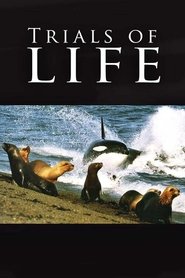
star 9Each of the twelve 50-minute episodes features a different aspect of the journey through life, from birth to adulthood and continuation of the species through reproduction.Crazy Nights
1978
Crazy Nights
1978
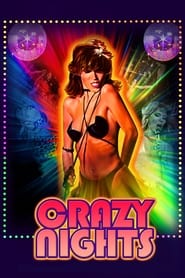
star 3.4Somewhat crazy semi-documentary by director Joe D'Amato is a strange series of Burlesque performances from around the globe. Actress and dancer Amanda Lear hosts these mostly musical numbers designed to get people on stage.Arab Camera
1987
Arab Camera
1987
star 5.7Focusing on key Arab films produced in the last 20 years. Férid Boughedir traces the development of the film-makers' concern to produce more socially aware cinema. Themes include the issue of Palestinian homeland rights and the nature of Arab identity. The film-makers also share a desire to develop a strong poetic tradition.Camilleri 100
2025
Camilleri 100
2025
The man who successfully exported Sicily to the world, giving it an ironic twist and celebrating its diversity and beauty. We recount his extraordinary artistic journey alongside a cast of illustrious figures from the worlds of literature, theater, and film.Space: The Longest Goodbye
2024
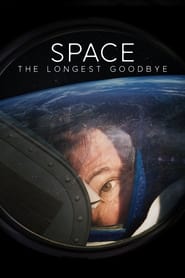
star 7.5Social isolation affects millions of people, even Mars-bound astronauts. A savvy NASA psychologist is tasked with protecting these daring explorers.The Bloody Hundredth
2024
The Bloody Hundredth
2024
star 7.2Meet the real-life airmen who inspired Masters of the Air as they share the harrowing and transformative events of the 100th Bomb Group.The Sound of 007
2022
The Sound of 007
2022
star 7.1Pull back the curtain on the remarkable history of six decades of James Bond music, from Sean Connery’s Dr No through to Daniel Craig’s final outing in No Time to Die.Human Remains
1998
Human Remains
1998
star 7.3Human Remains is a haunting documentary which illustrates the banality of evil by creating intimate portraits of five of the 20th century's most reviled dictators. The film unveils the personal lives of Adolf Hitler, Benito Mussolini, Joseph Stalin, Francisco Franco and Mao Tse Tung. We learn the private and mundane details of their everyday lives -- their favorite foods, films, habits and sexual preferences. There is no mention of their public lives or of their place in history. The intentional omission of the horrors for which these men were responsible hovers over the film.The Case Against 8
2014
The Case Against 8
2014
star 6.8A behind-the-scenes look inside the case to overturn California's ban on same-sex marriage. Shot over five years, the film follows the unlikely team that took the first federal marriage equality lawsuit to the U.S. Supreme Court.The Velvet Queen
2021
The Velvet Queen
2021
star 7.9High up on the Tibetan plateau. Amongst unexplored and inaccessible valleys lies one of the last sanctuaries of the wild world, where rare and undiscovered fauna lives. Vincent Munier, one of the world’s most renowned wildlife photographers takes the adventurer and novelist Sylvain Tesson (In the Forest of Siberia) with him on his latest mission. For several weeks, they’ll explore these valleys searching for unique animals and try to spot the snow leopard, one of the rarest and most difficult big cats to approach.The Devil and Daniel Johnston
2006
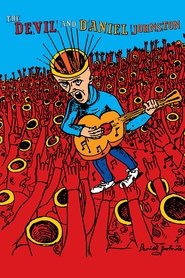
star 7.7This 2005 documentary film chronicles the life of Daniel Johnston, a manic-depressive genius singer/songwriter/artist, from childhood up to the present, with an emphasis on his mental illness and how it manifested itself in demonic self-obsession.Beyond The Edge
2013
Beyond The Edge
2013
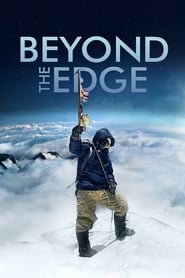
star 6.7A 3D feature film about Sir Edmund Hillary's monumental and historical ascent of Mt. Everest in 1953 - an event that stunned the world and defined a nation.The Eyes of Orson Welles
2018
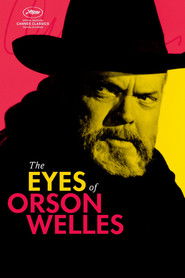
star 7A poetic journey into the visual world of the legendary filmmaker and actor Orson Welles (1915-85) that reveals a new portrait of a unique genius, both of his life and of his monumental work: through his own eyes, drawn by his own hand, painted with his own brush.The Velvet Underground
2021
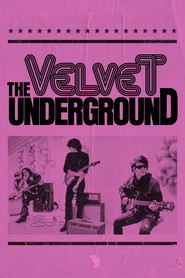
star 6.8Experience the iconic rock band's legacy in the first major documentary to tell their story. Directed with the era’s avant-garde spirit by Todd Haynes, this kaleidoscopic oral history combines exclusive interviews with dazzling archival footage.The Blue Angels
2024
The Blue Angels
2024
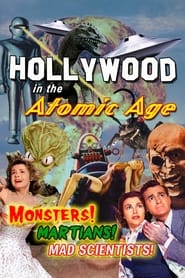
star 6.5Follow the veterans and newest class of Navy and Marine Corps flight squadron as they go through intense training and into a season of heart-stopping aerial artistry.Hollywood in the Atomic Age: Monsters! Martians! Mad Scientists!
2021
star 4.7A comprehensive story of Hollywood's horror and science fiction films of the 1950s, told by the people who made them.Les Rois de la comédie
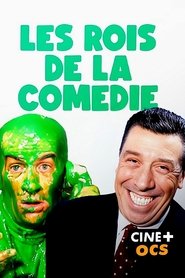
2023
star 7.5At the end of the 1950s, four humor specialists simultaneously experienced recognition. Fernandel with “The Cow and the Prisoner”, Bourvil with “The Hunchback”, Jacques Tati with “My Uncle” and Louis de Funès with “Oscar” at the theater. On the big screen or on stage, each of these artists has a unique style of humor. They are the kings of French comedy. But how did they manage to become true box office champions? How did they experience their immense popularity? How do they still influence the comedy genre? And above all, are- are they funny in life? Where is the line between their character in the cinema and their real personality?